Small Town Dispatches: Tabish Khair
by Nadeen Kharputly and Tabish KhairWelcome to Small Town Dispatches, a new feature on The Peak that recognizes the efforts of sustaining a writing practice in places with unconventional resources. Writing can be deeply isolating, especially when you live outside of cities that are seen as cultural epicenters. So here, Special Features Editor Nadeen Kharputly interviews Shenandoah contributors to gain insights about what it’s like to live in small towns (and towns that feel small): rural areas, college towns, islands, hamlets, and more.
Writer: Tabish Khair
Town: Hornslet, Denmark
Bio: Tabish Khair is a poet, novelist and critic from India. His major books include The Thing About Thugs, How to Fight Islamist Terror from the Missionary Position, and The Bus Stopped. After a decade in Hjortshøj, a small village of 3,600 outside Aarhus, Denmark, where he teaches English literature at Aarhus University. He recently moved to another small town in the vicinity, Hornslet (6,500 residents).
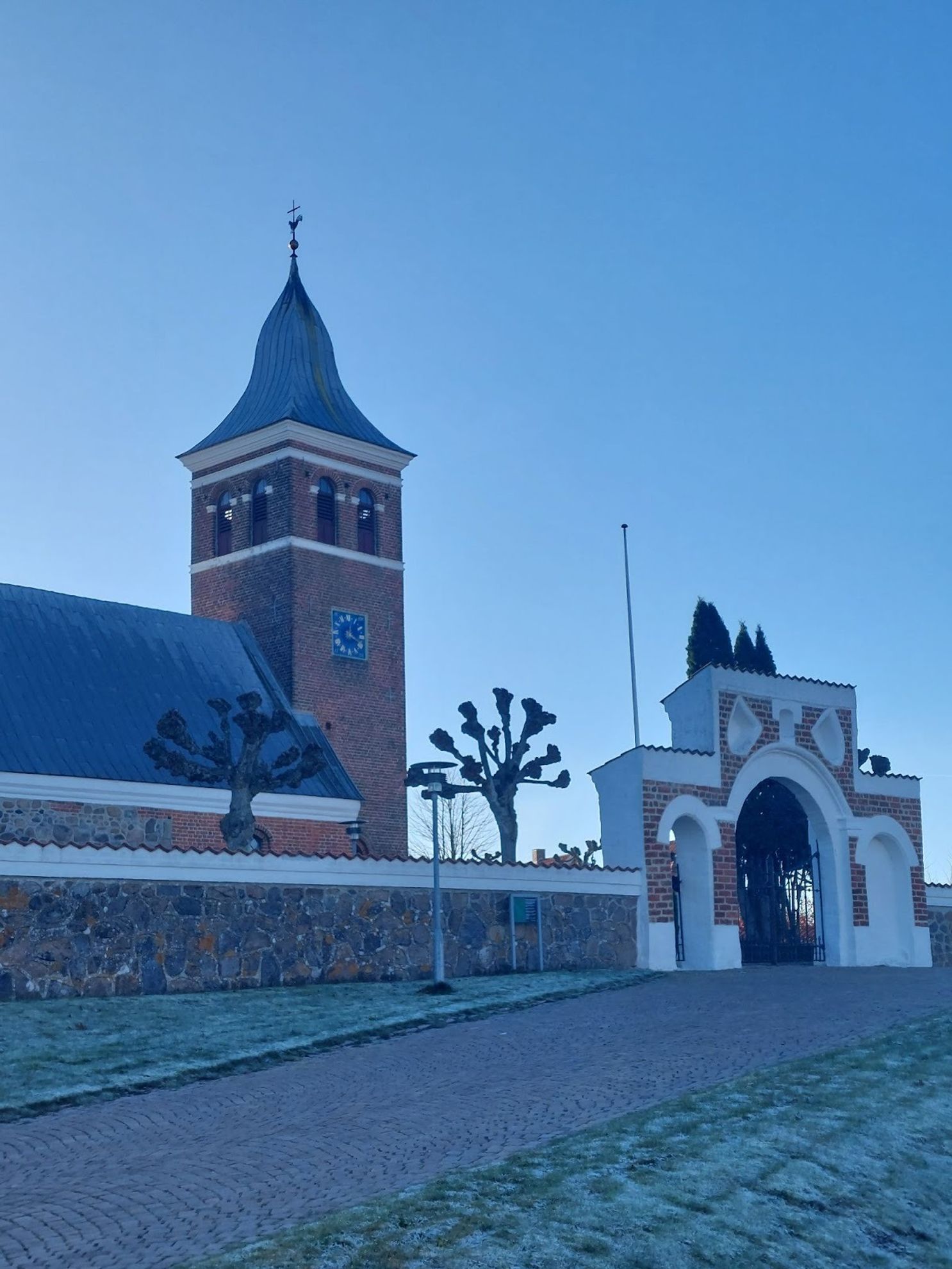
Tell us about your small town - how small is it?
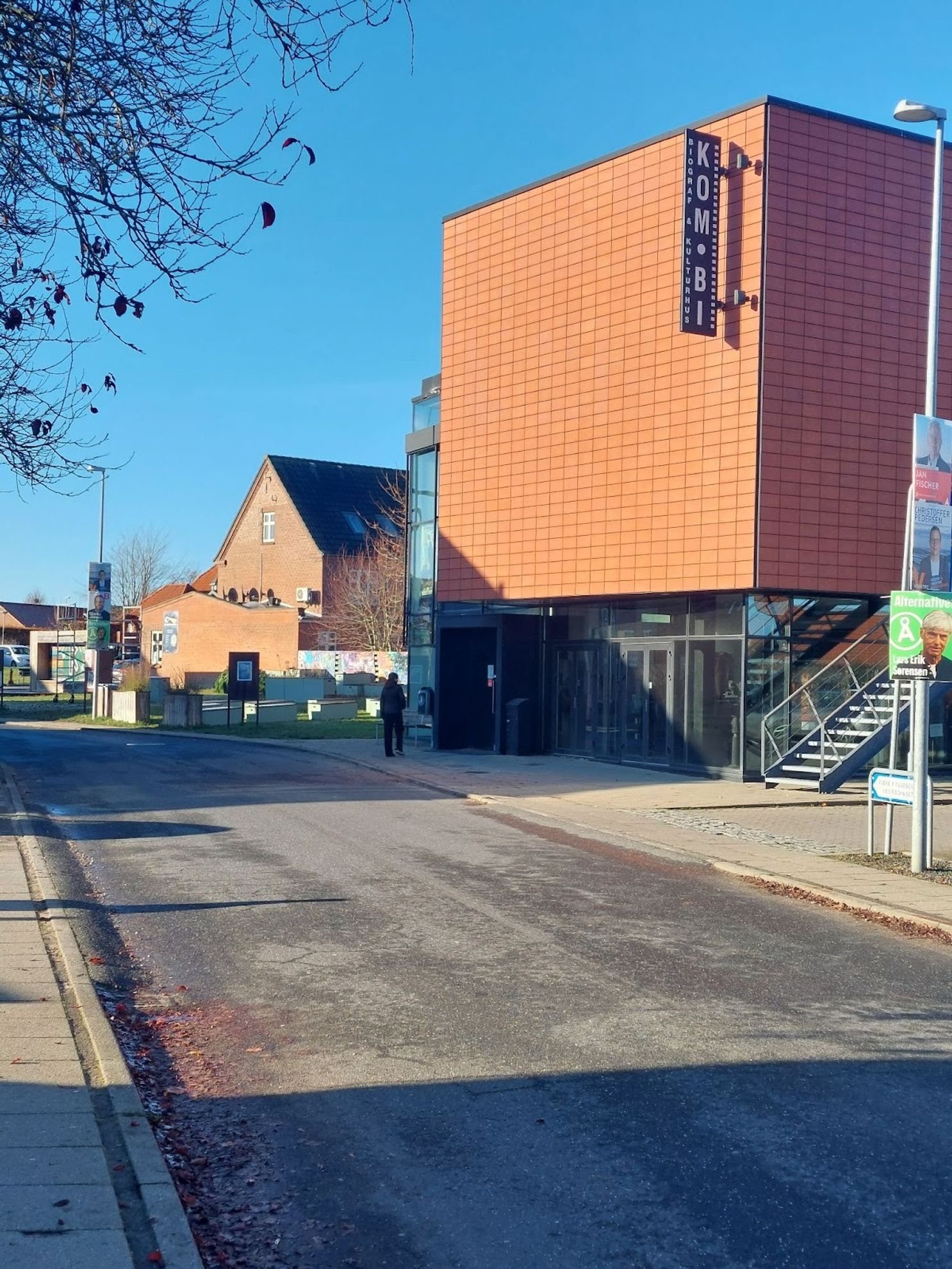
This is a difficult question. I grew up in Gaya, a historical (among other things: Buddhism started from there) but small town in North India. However, small towns in India cannot be ranked by population. Even a village in India has a bigger population than towns in Europe or the U.S.. Suffice to say that, when I was in high school, it used to take twenty hours or more to reach Gaya from the national capital, Delhi. Television arrived in my town only when I was in high school. Flights (one per day, two days a week) started only when I left college. Then, after roughly a decade in Delhi (working as a journalist) and Copenhagen (doing a PhD), I moved to a provincial town, Aarhus, in Denmark, and lived in a nearby village, Hjortshøj, which has 3,619 inhabitants, for a decade. Last summer I moved to Hornslet, a town of around 6,420 inhabitants. Hornslet has its own film theatre and a few restaurants and bars, and hence qualifies to be called a town.
What makes your town a unique place for your writing practice?
I am not nostalgic about small towns. For instance, I had to leave Gaya in order to grow as a writer. That might not have been the case if the town had been in a developed or rich nation: certain facilities that I could not imagine while growing up in Gaya—like a decent public library—would be available in small towns in Denmark or the U.S. But small towns are also fascinating, complex places. Their relationship to the world is different. Hence, if you come from one, and prefer to live in small places, you relate to the world differently. This makes you write differently too. Metropolitan critics and editors are usually blind to this difference, except in reductive or fetishized versions, but it is there, in many shades, and it can help you be a different kind of writer. I am not a “place writer” in that I do not necessarily write about where I am, and hence neither Hjortshøj or Hornslet feature in my writing. My novels have been set in the small town region where I grew up in Bihar, India; they have been set in 19th century London, in Calcutta and Bombay of the 1940s, in Iraq and Syria, in the North of England, on an oil rig in the North Sea, a tea estate in the North East states of India, and only occasionally around Aarhus. So my living in small towns does not directly feature in my work, but it does shape the way I relate to and write about the world.

Do you have a favorite writing spot?
I like small town cafes. Just a bit of life (people passing), and a bit of familiarity (the waiter knows you), but not the clamour and busy-ness of cafes in bigger places. This was one of the reasons I moved from Hjortshøj, which had only one restaurant-cafe, to Hornslet, which has a handful. There is an 18th century inn, which has a restaurant and a cafe, that is especially lovely in the summer, when they put out tables beside a small stream that runs through the town. Then there are four other (far less historical) places. I like going to places where they know you by face (and nothing more), and leave you alone with your book and coffee or beer.
How do you build community with other writers or creatives in your town?
Writing has never been a social thing for me in that sense. I build community only through my writing and reading, not around where I am living or writing. I need a non-writerly community around where I am, mostly. Who wants to discuss writing all the time? I find it more fruitful to spend time with friends, my children, and even acquaintances and strangers. It is good to meet writers once in a while, say, at literary festivals, but to associate constantly with them would be a nightmare. I prefer meeting them through their books.

What do you appreciate most about where you live?
Quietness. You do need company once in a while, but usually it is quietness that is difficult to get. To me, you can only think and write in quietness.
What are some of the challenges of living there?
Isolation. It is the other side of the same coin. Isolation is when the quietness cuts you off from the world and even from yourself. Quietness not a vacuum; isolation is. Reading helps overcome it, but essentially one needs to see and talk to people once in a while.
Can you share any writing advice that's inspired by your living situation?
Don’t let big city editors and editors get away with confusing metropolitanism and cosmopolitanism. They are not the same. Metropolises—where people often live surrounded by similar people, especially but not only in terms of class—can be less cosmopolitan than a small town like Gaya, with its long histories of coming and going, its liminal position between rural space and metropolitan ones. One of the characteristics of small towns is that you look elsewhere from them, which is not something I have seen people born in metropolises do in Copenhagen or Delhi. Taking a vacation in Bali is not looking elsewhere. When I was growing up, no one in Gaya would go on vacation to Bali, but what happened elsewhere impacted us in a different way. For instance, a single motorway or factory can open up or close down a small town, while it would have no effect on a big city. These are things to pay attention to. They enable you to see the wonder and precarity of life differently. Small towns are both provincial and cosmopolitan in ways that people from metropolises never experience and seldom understand. Work with that experience. Don’t get shouted down by metropolitan noise in and from the “literary world.”