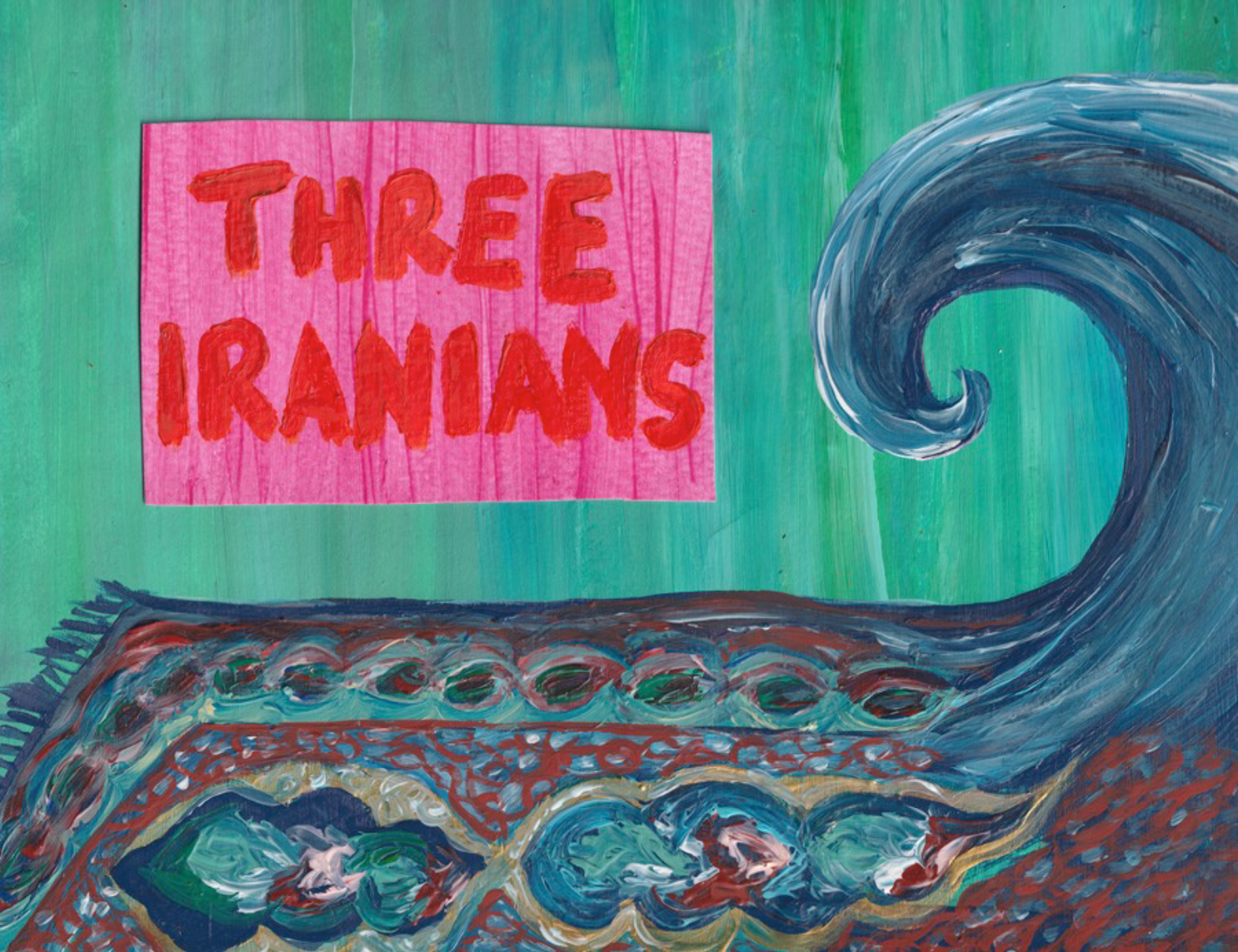
Three Iranians
by Parisa KaramiShenandoah contributor Parisa Karami presents “Three Iranians,” a companion comic to “The Story Begins with Hana,” which was featured in Issue 75.1. Read together, these works present a portrait of women and empire. The pair of comics not only imagine a woman-centric Iranian–Libyan solidarity, they also consider the parallels across empire and its periphery, homeland and diaspora. As suggested in Karami’s preface that unites her two comics, these women have varying relationships to power and represent a complicated web of resistance, complicity, and victimhood. Karami also writes in her preface about political crisis in Iran, the totality of its misinformation and politicization in the West, and the complexity of imagining liberation from authoritarianism. “Three Iranians,” as well as its preface, were written before the joint American–Israeli attack against Iran on February 28. The violence is ongoing.
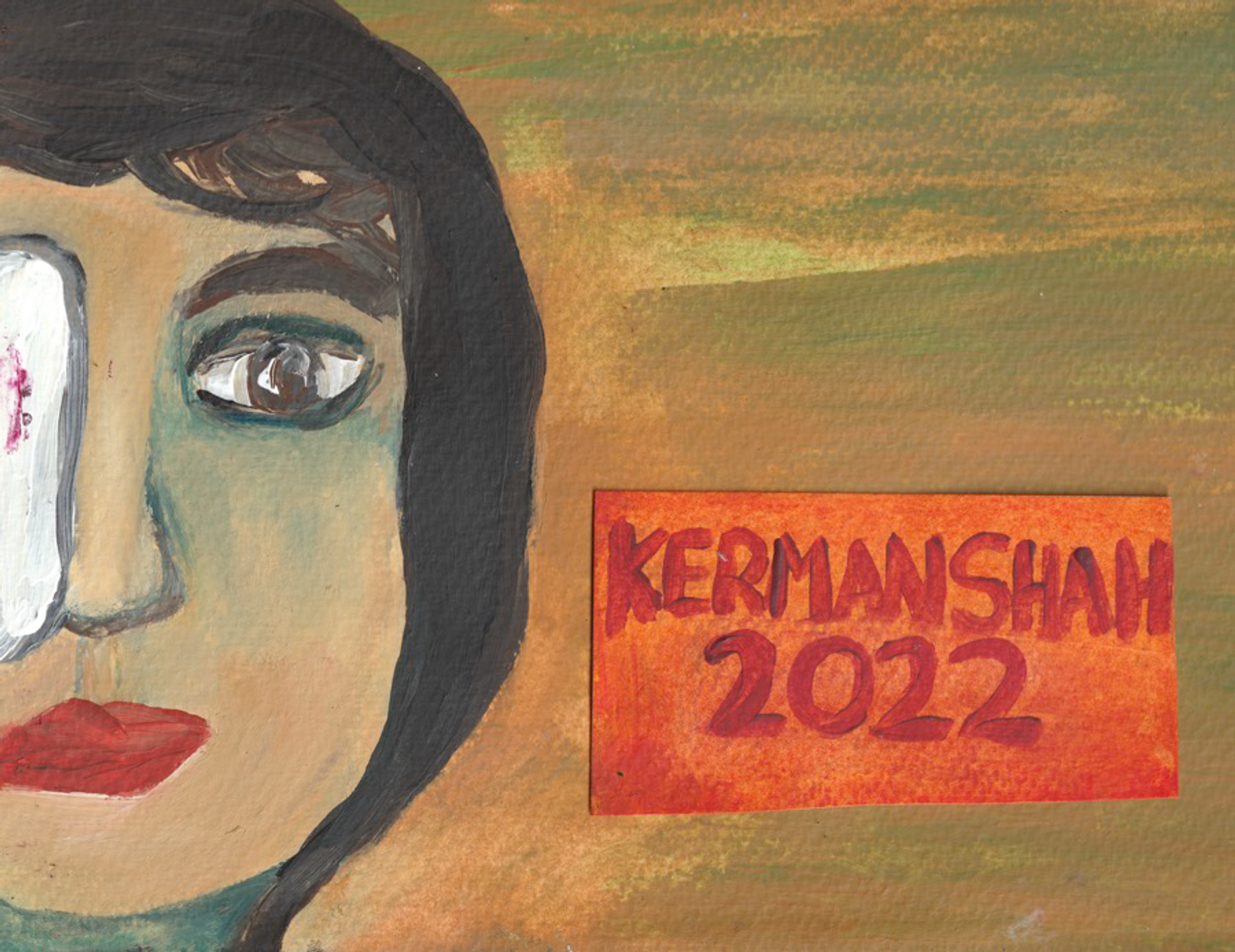
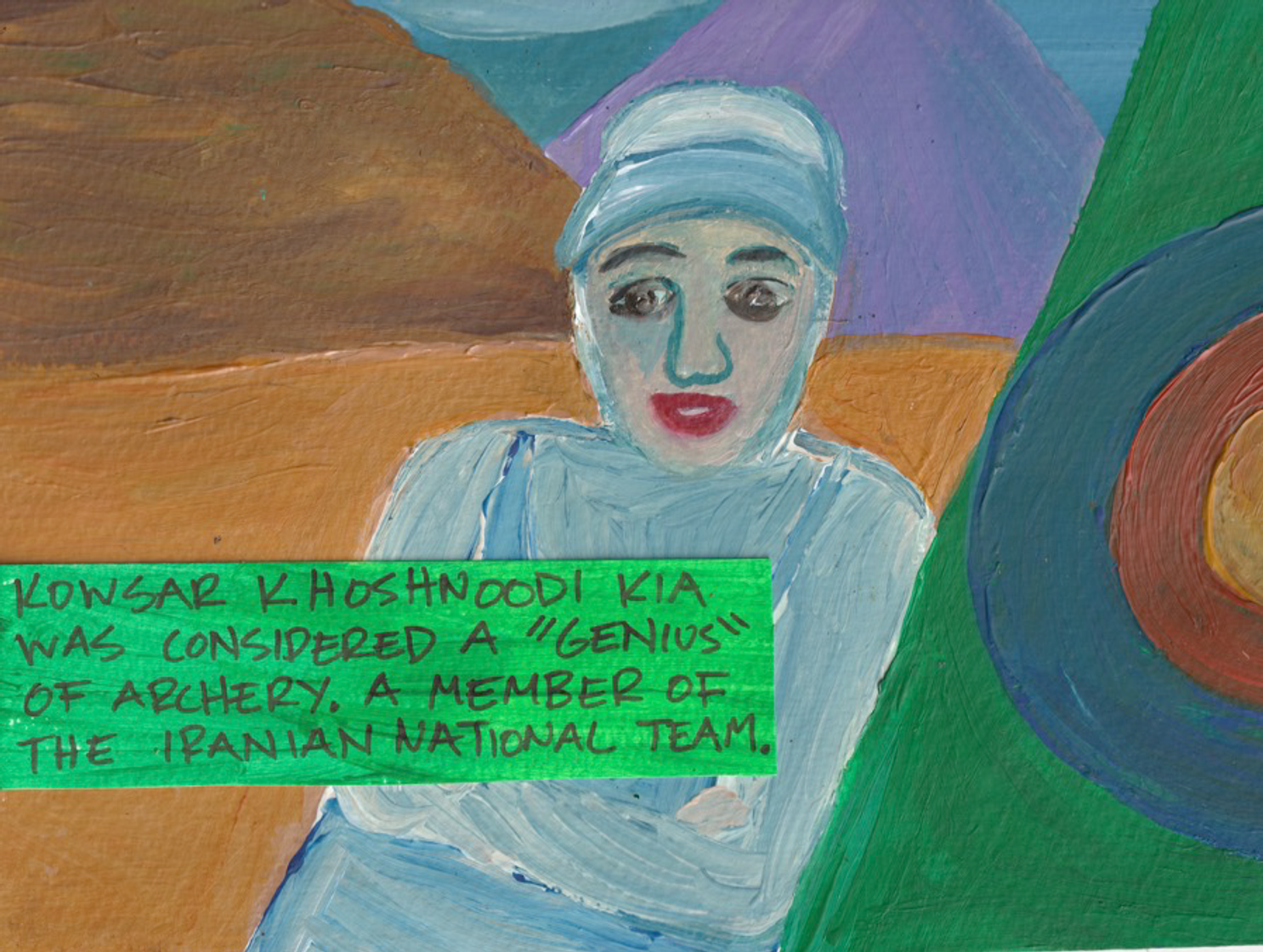
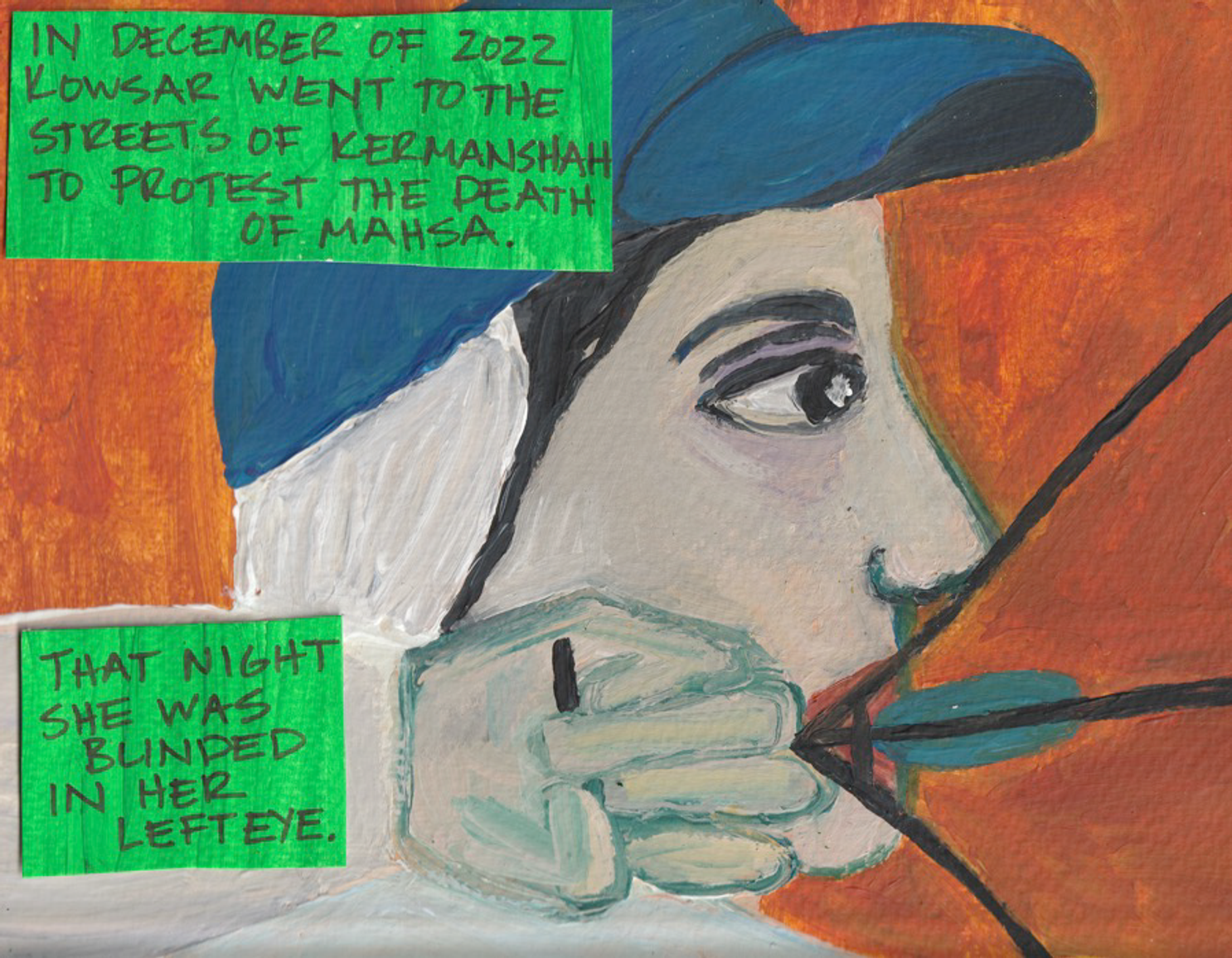
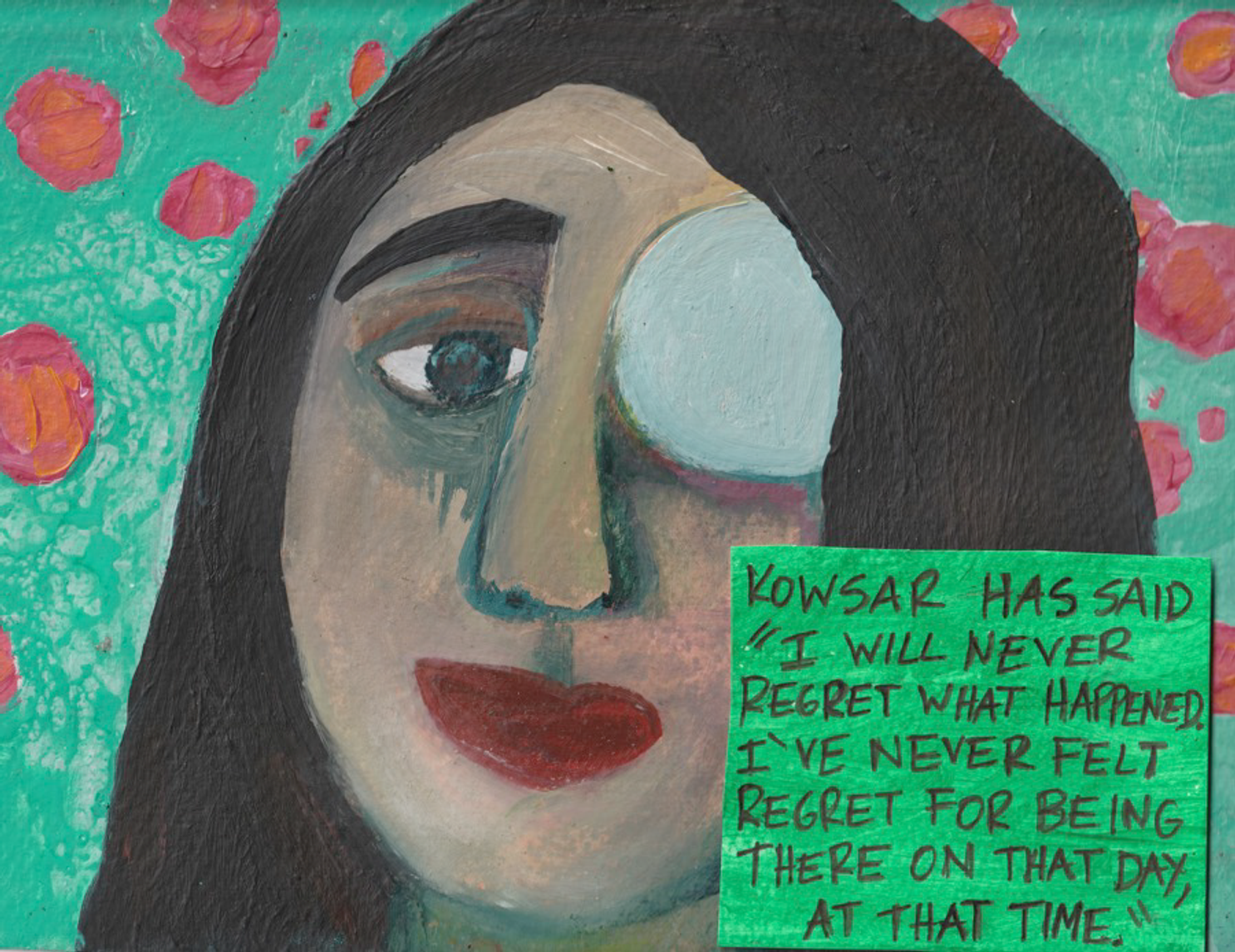
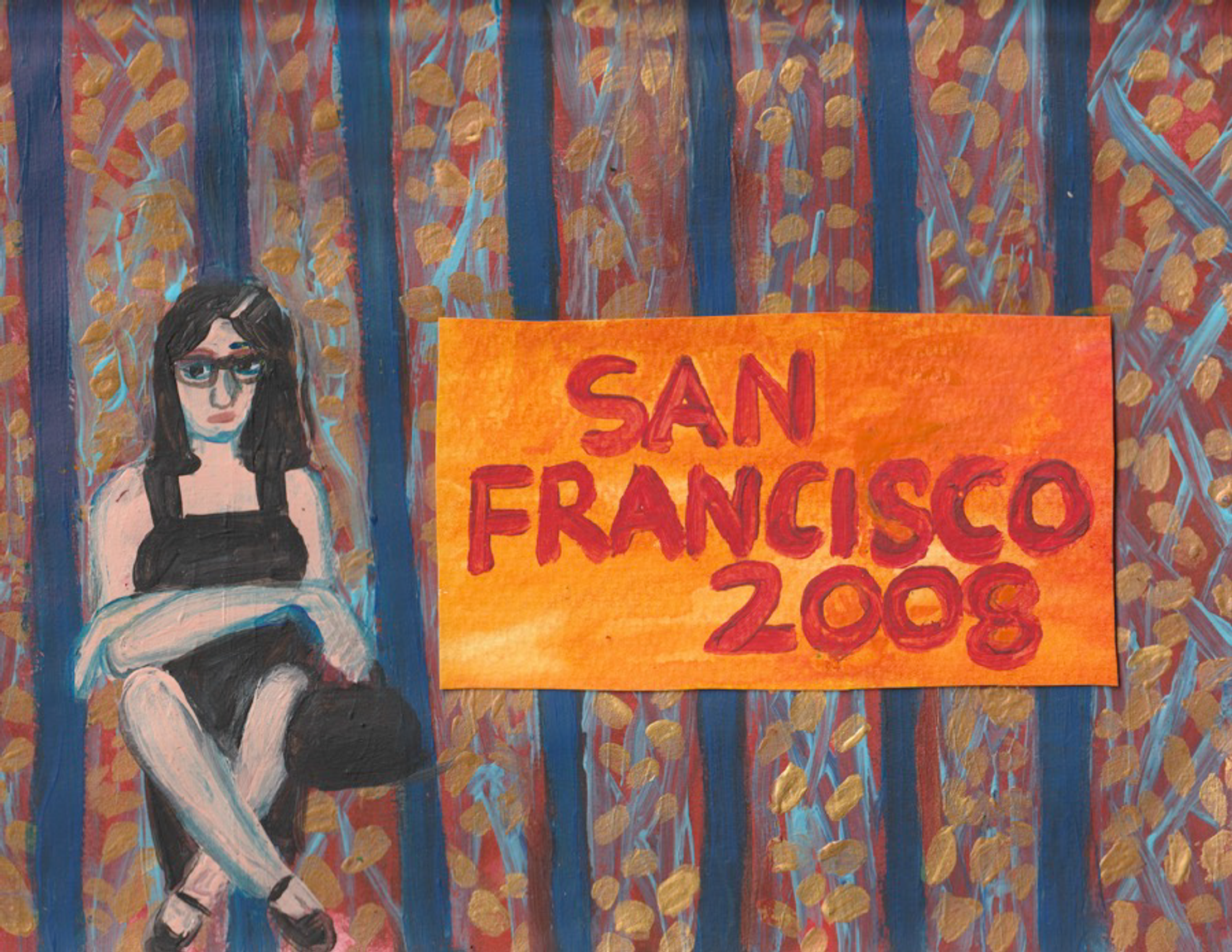
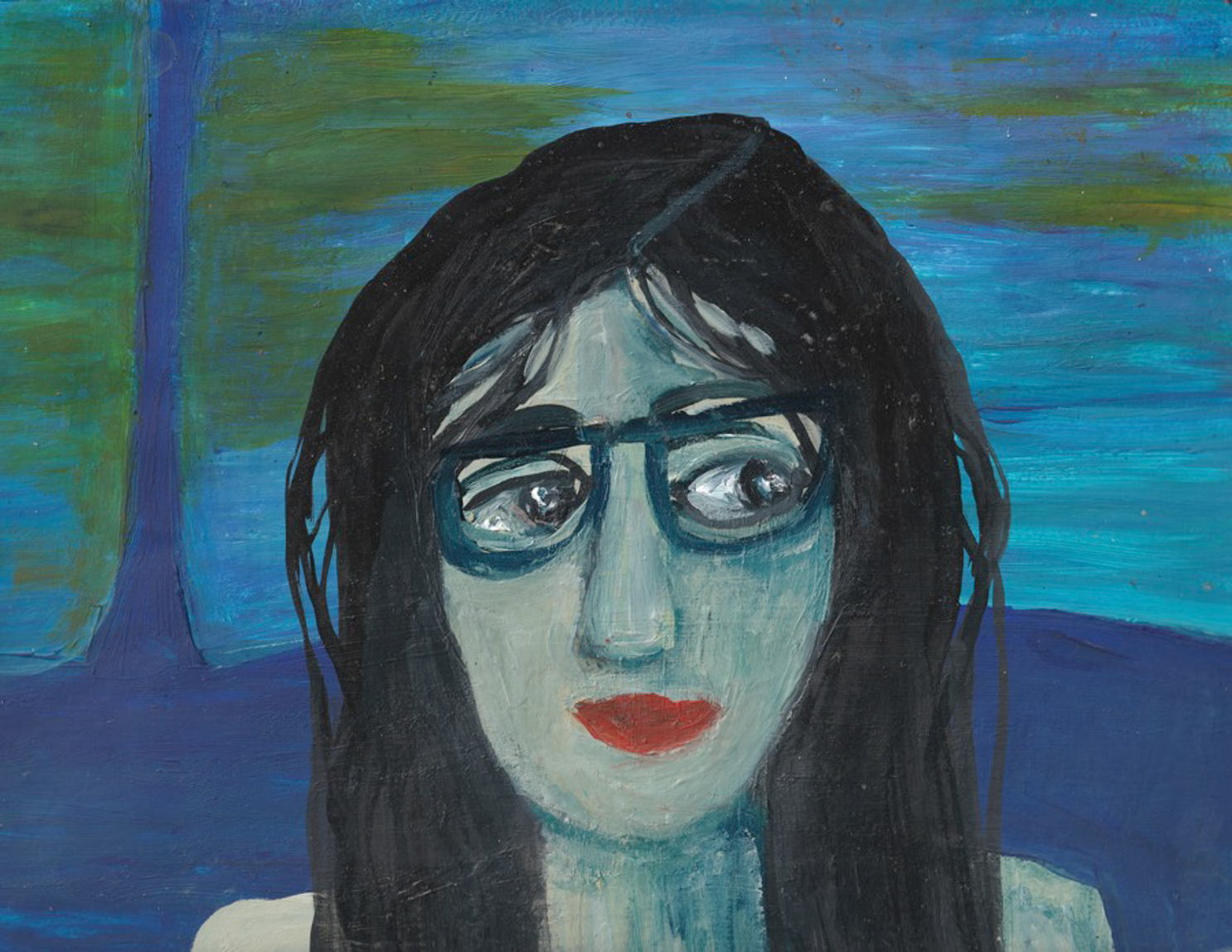
From Tripoli to Tehran, so begins the imaginary friendship of Kowsar Khoshnoodi Kia, myself, Hana Gaddafi, and Leila Pahvlavi. Two living (three eyes total), one half alive, one dead.
Tehran is no hero. The brutality they have inflicted on their own people in order to maintain control is seen clearly by the number of executions they commit each year—in the street and in the gallows. Yet, while Tehran holds steady, Tripoli has descended further into the global abyss each year following the overthrow and murder of Hana’s father, Muammar Gaddafi, by empire. In a very similar fashion, Saif Gaddafi, Hana’s brother and potential heir apparent of Libya, was killed in this very month of February. Empire of course is the USA, in which I have resided since the age of five.
Hana begins the story. Many Iranians in the diaspora, including my father, believed that Ronald Regan had killed Hana: Nancy kheili divooneas (Nancy is very crazy). Hana’s “death” was my first introduction to Libya. Within less than a decade of this event, my own father had died. Perhaps this is why Hana’s Anastasia-like reappearance was such a delight to me. An illusion topped with some verifiable facts. A great man, Nelson Mandela stood by her side. What did it matter now if she was a double? The original Hana was at peace. The new Hana had been an orphan and now she replaced the daughter of the only hope for Africa. I ride with Hana.
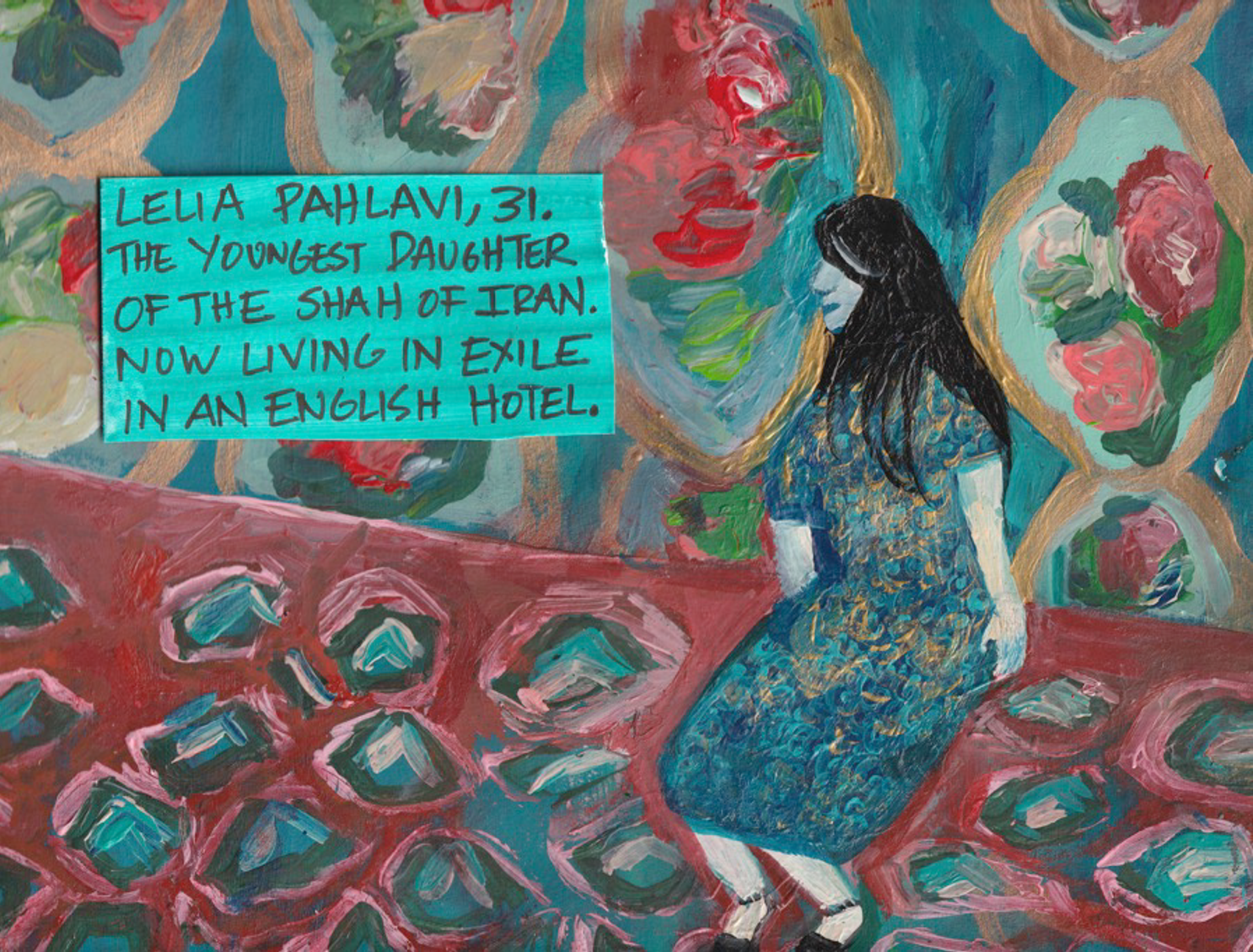
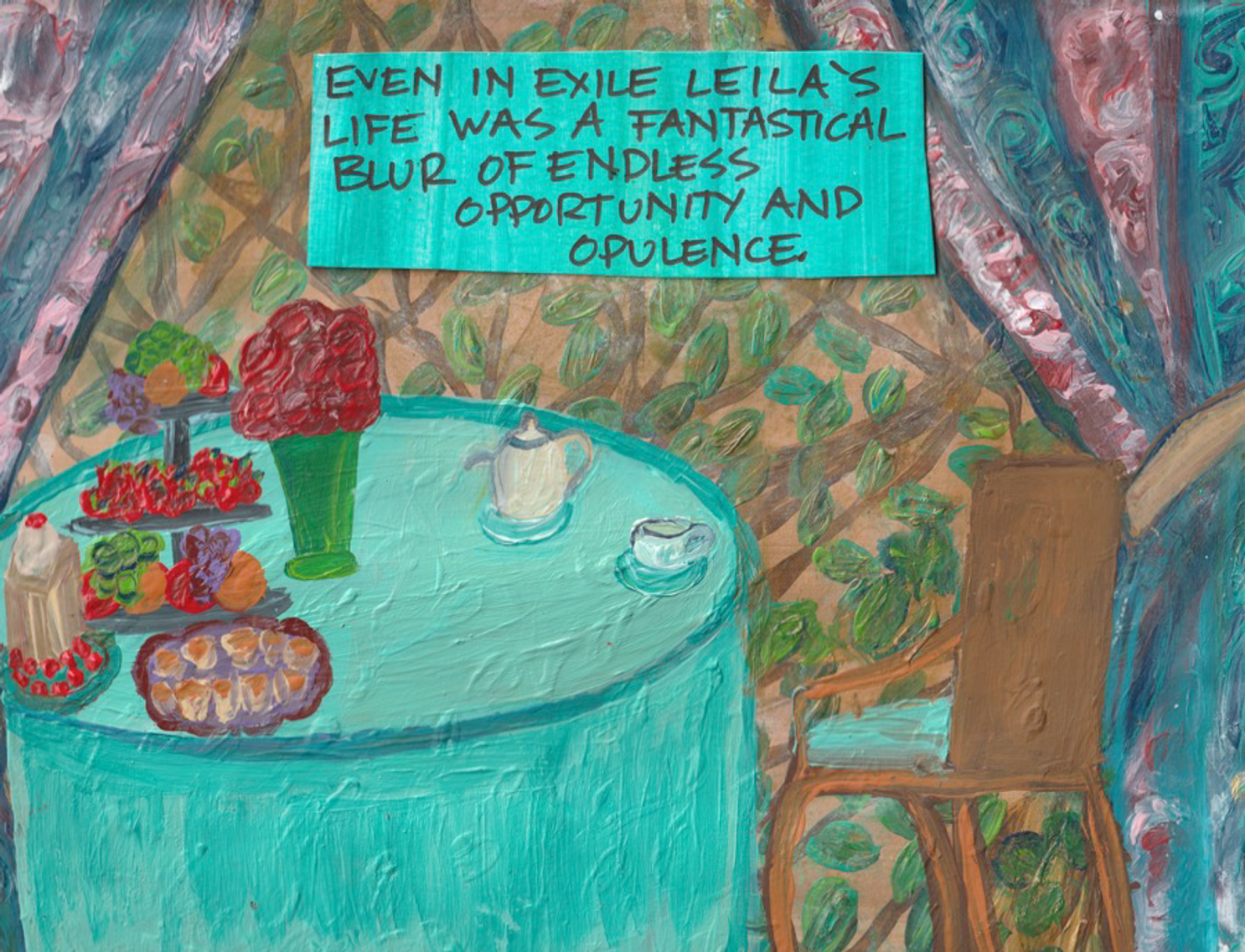
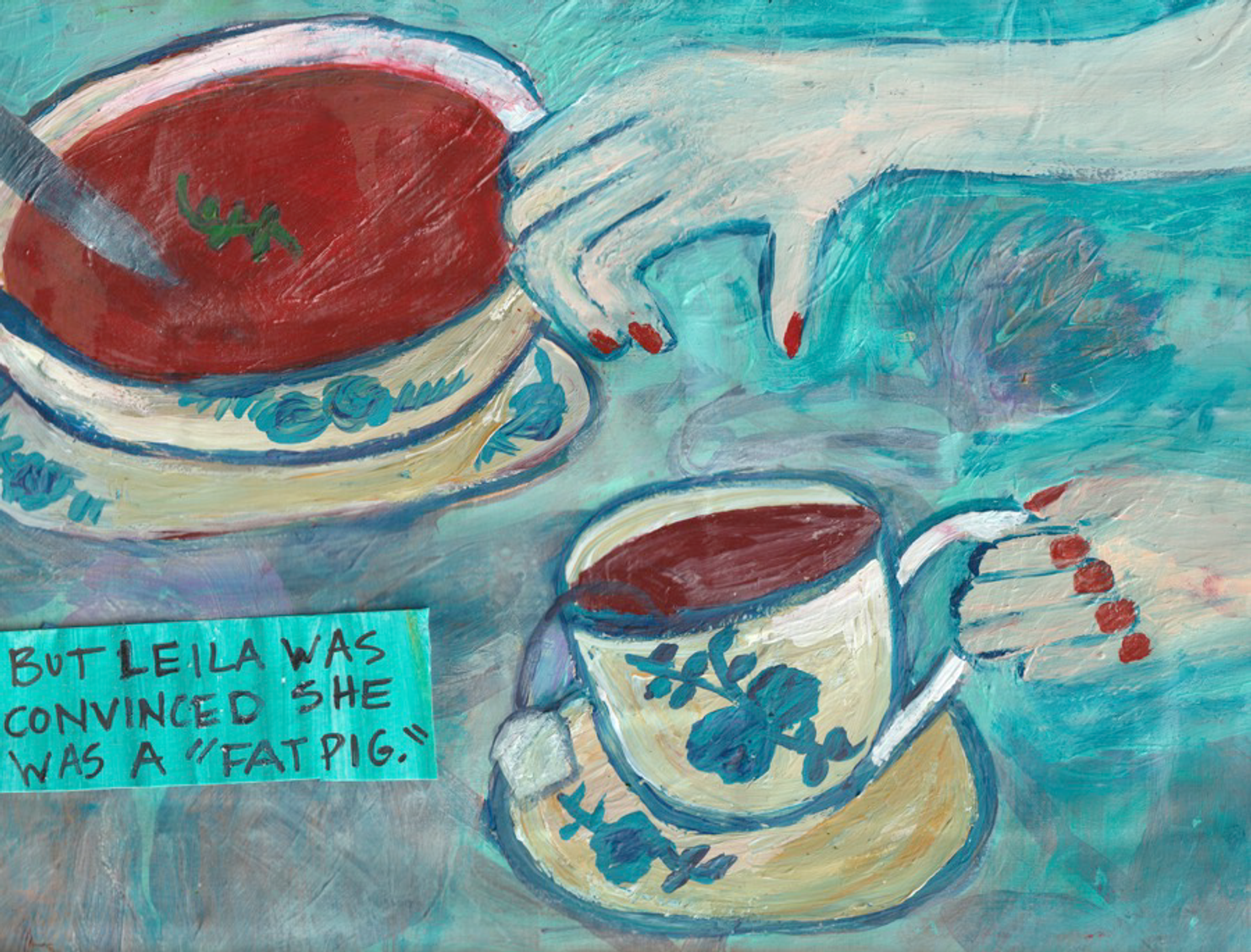
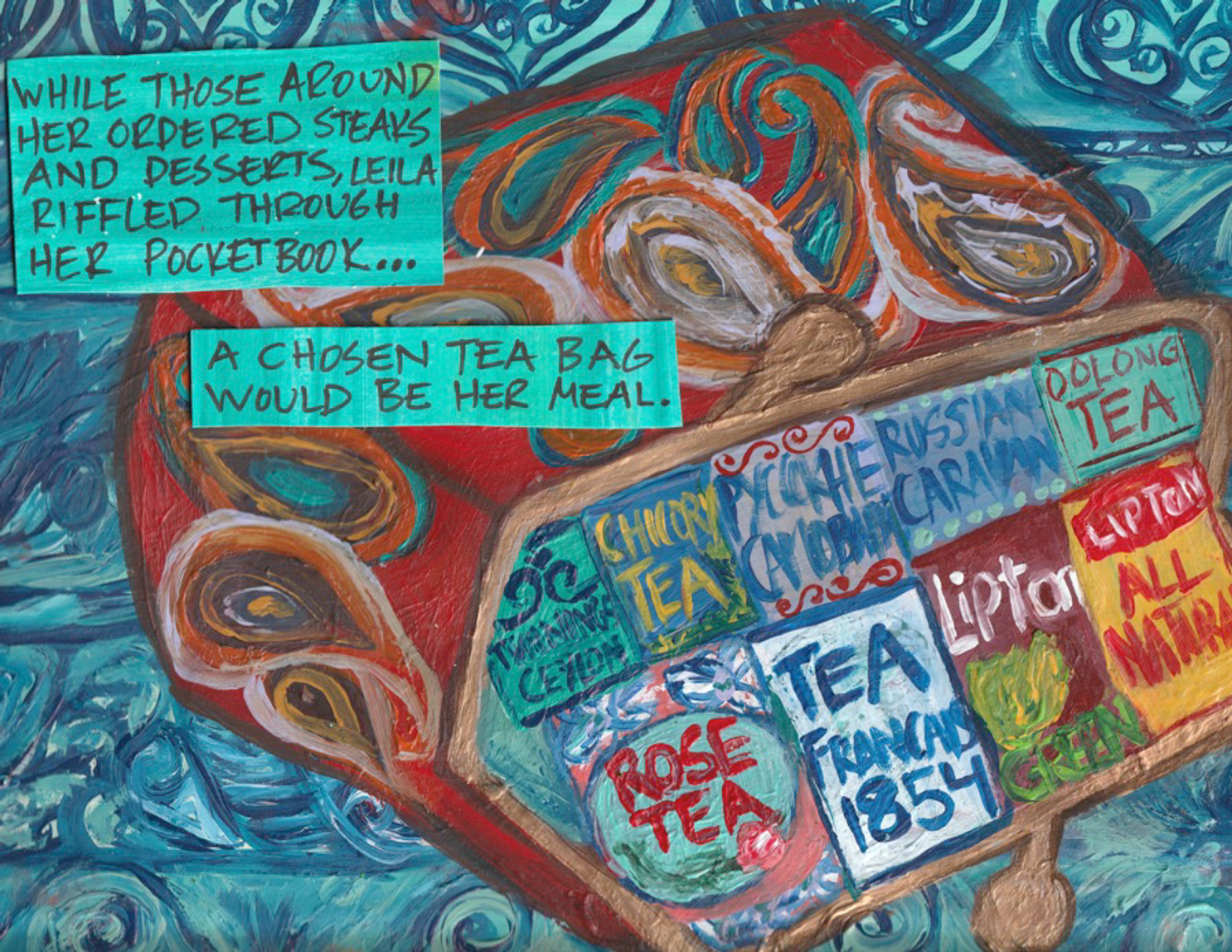
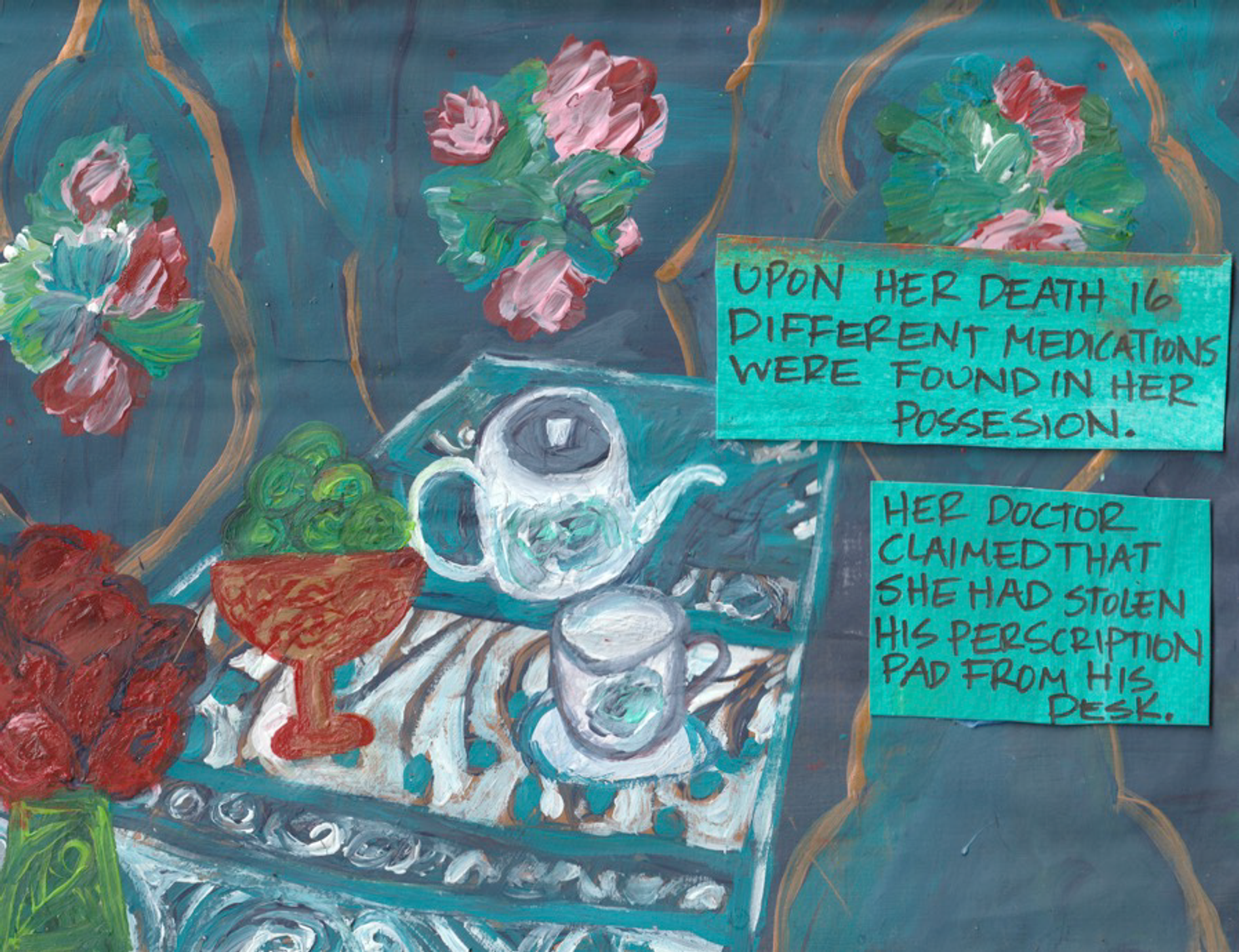
Leila lived in utter opulence her entire life. Yet, Leila self-erased. Why did Leila do that? Her intense suffering made her instantly likeable, despite her father. Empire can never save you from the psychic ground you tread upon. Empire contaminates everything.
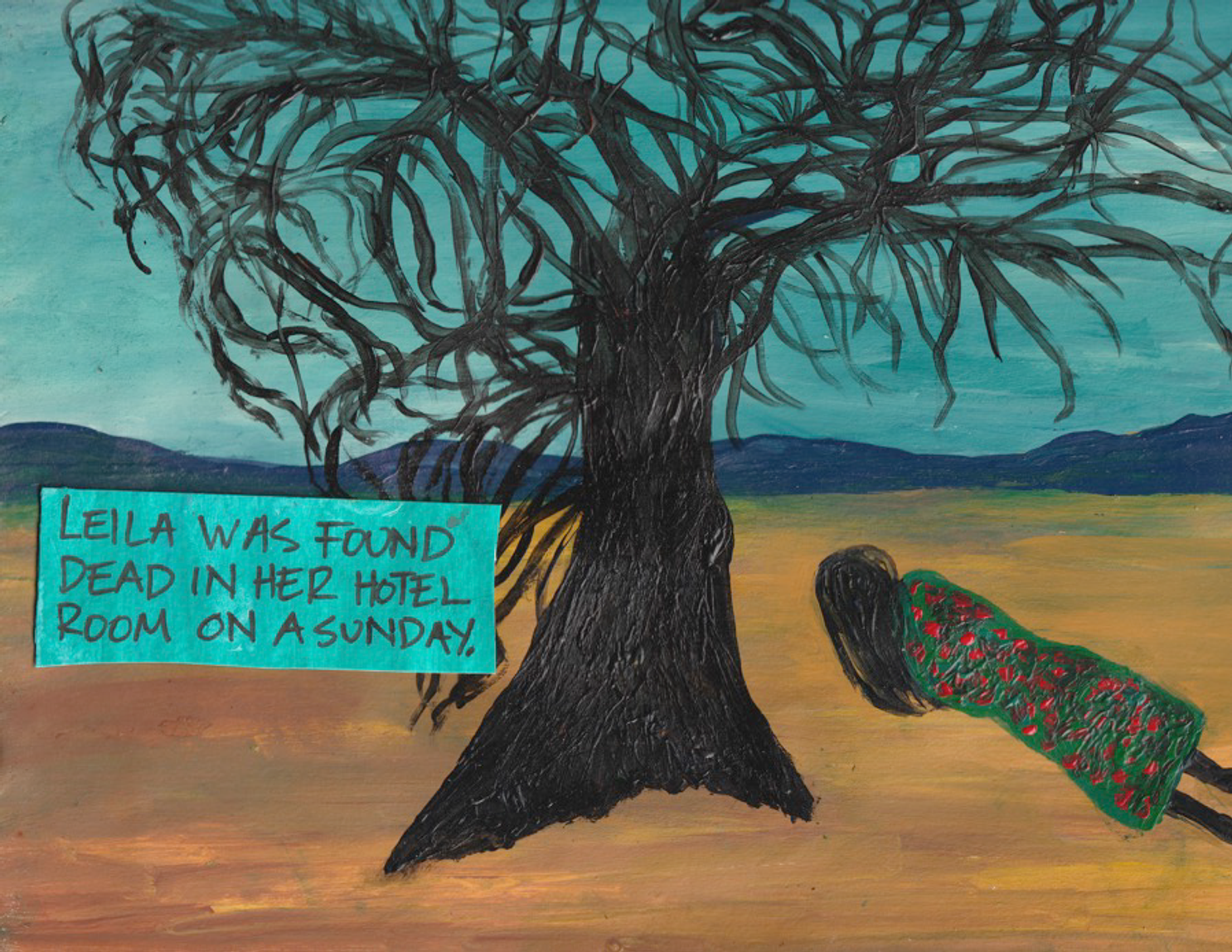
Leila’s fate is known. Hana’s life is unknown due to forced or chosen erasure. Yet they are both reunited in the ether.
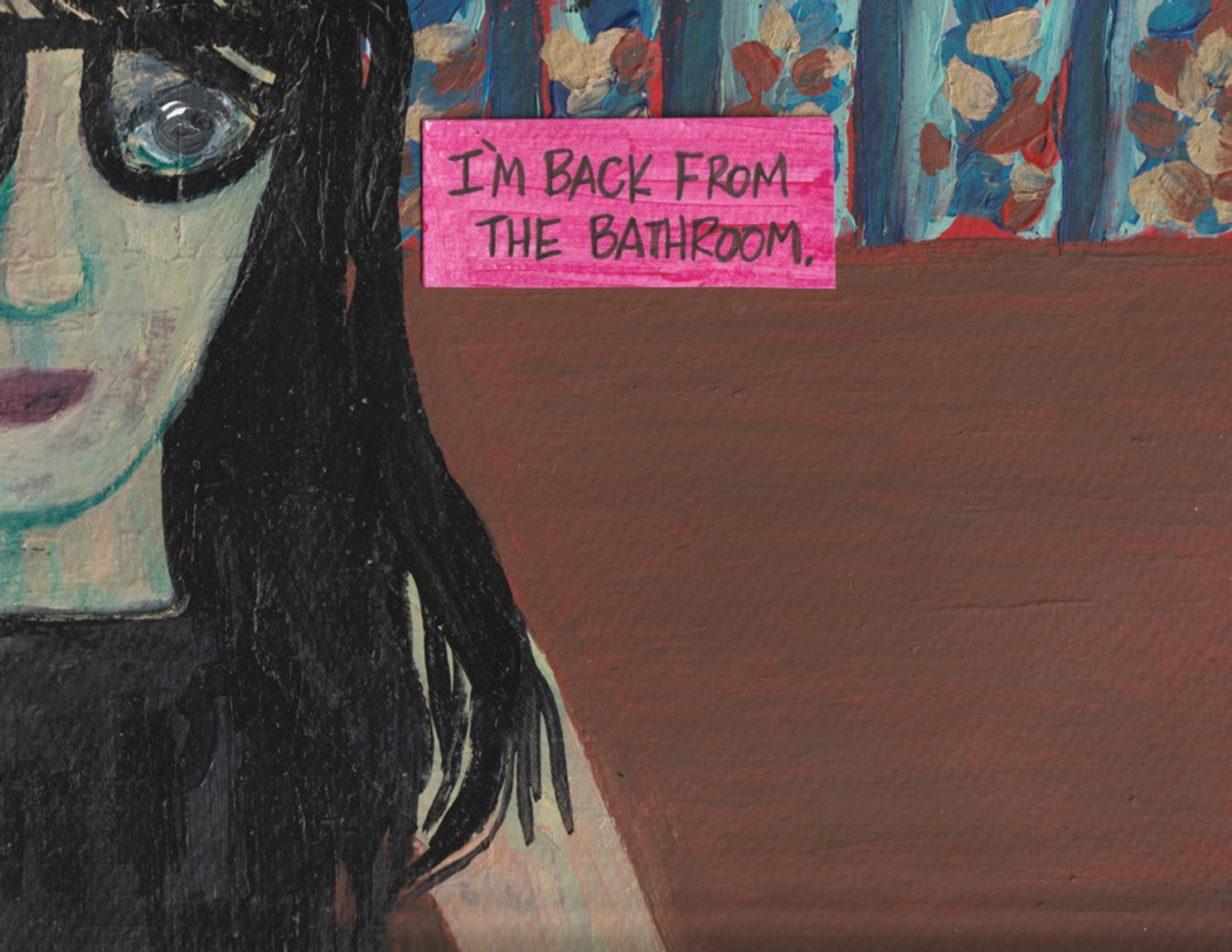
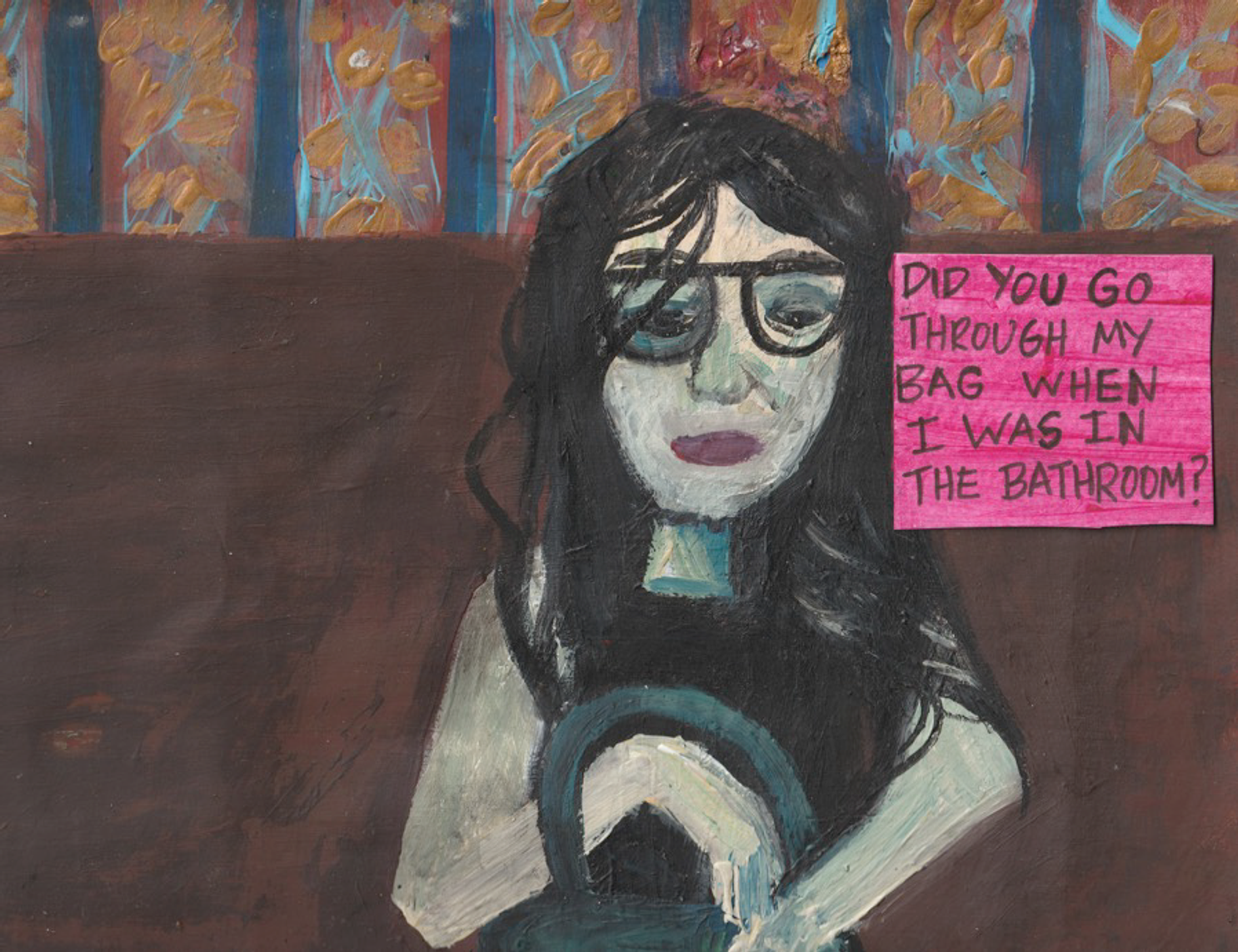
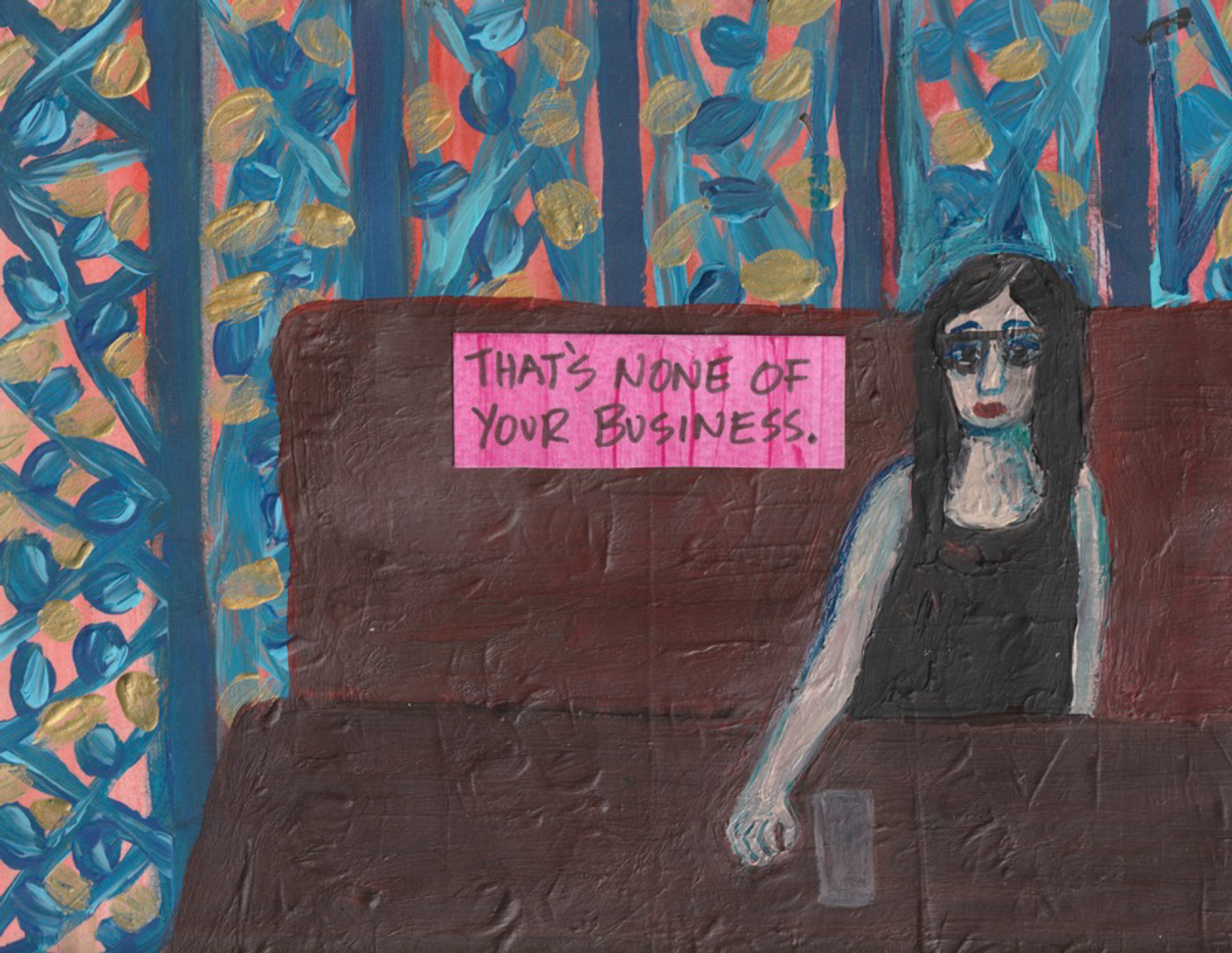
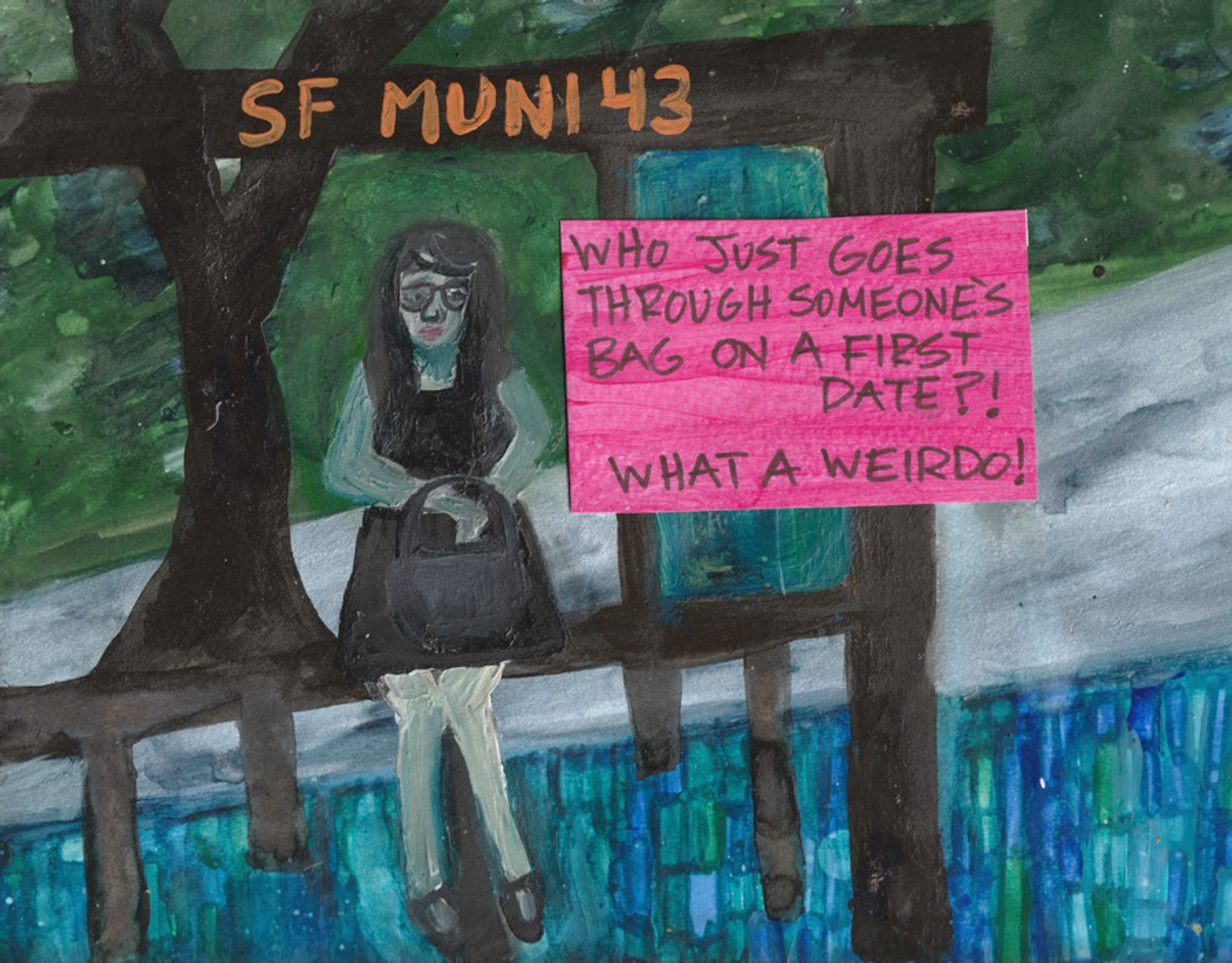
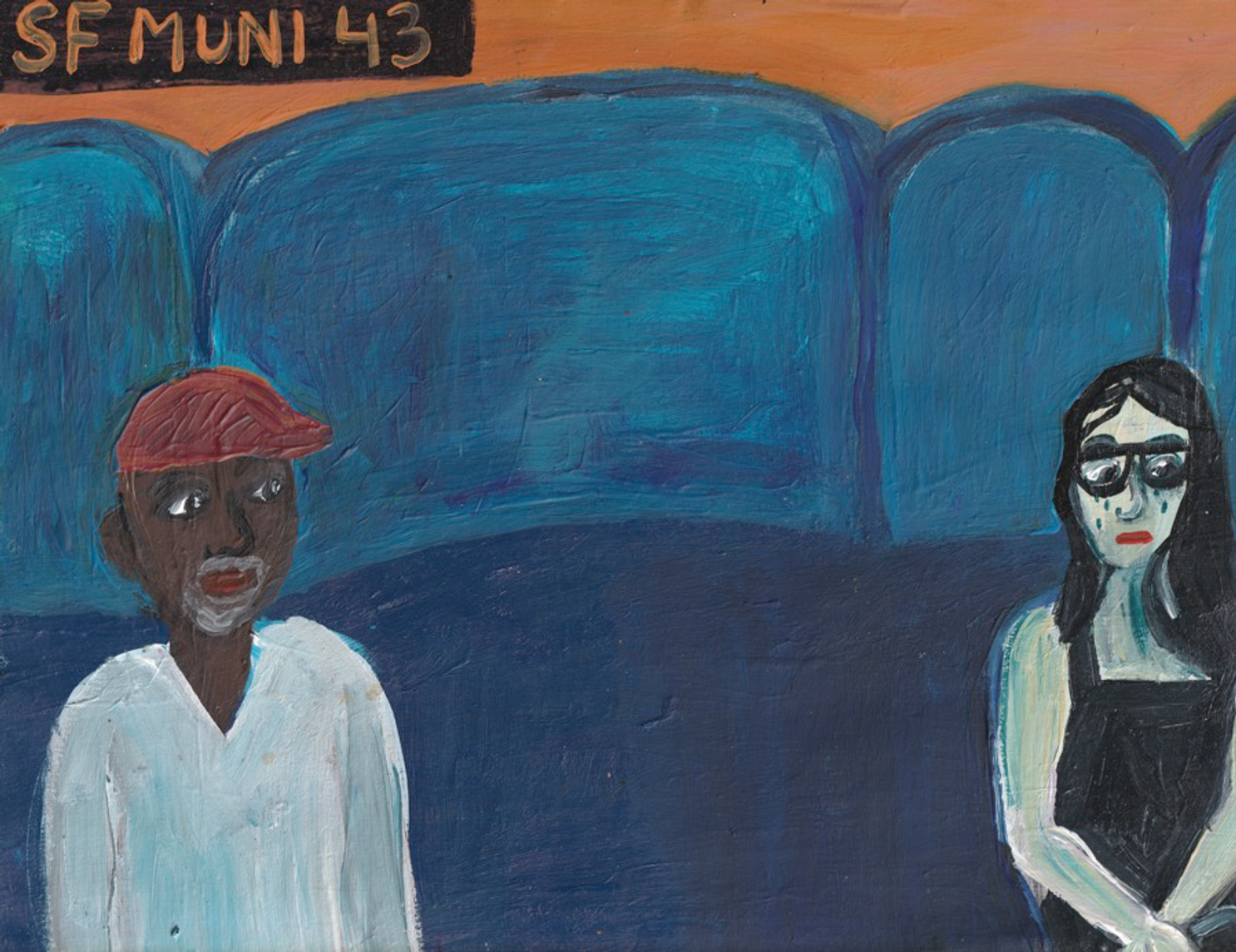
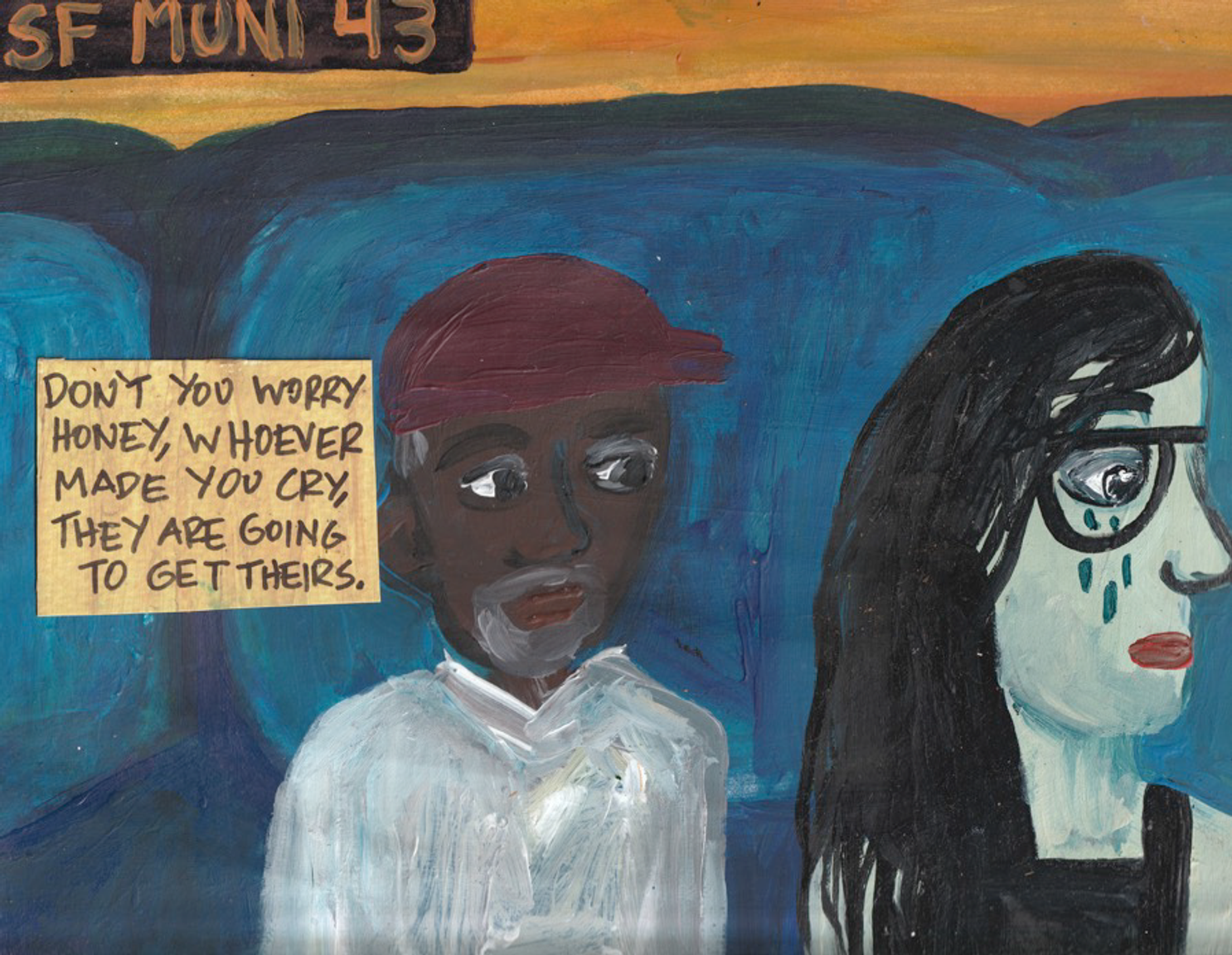
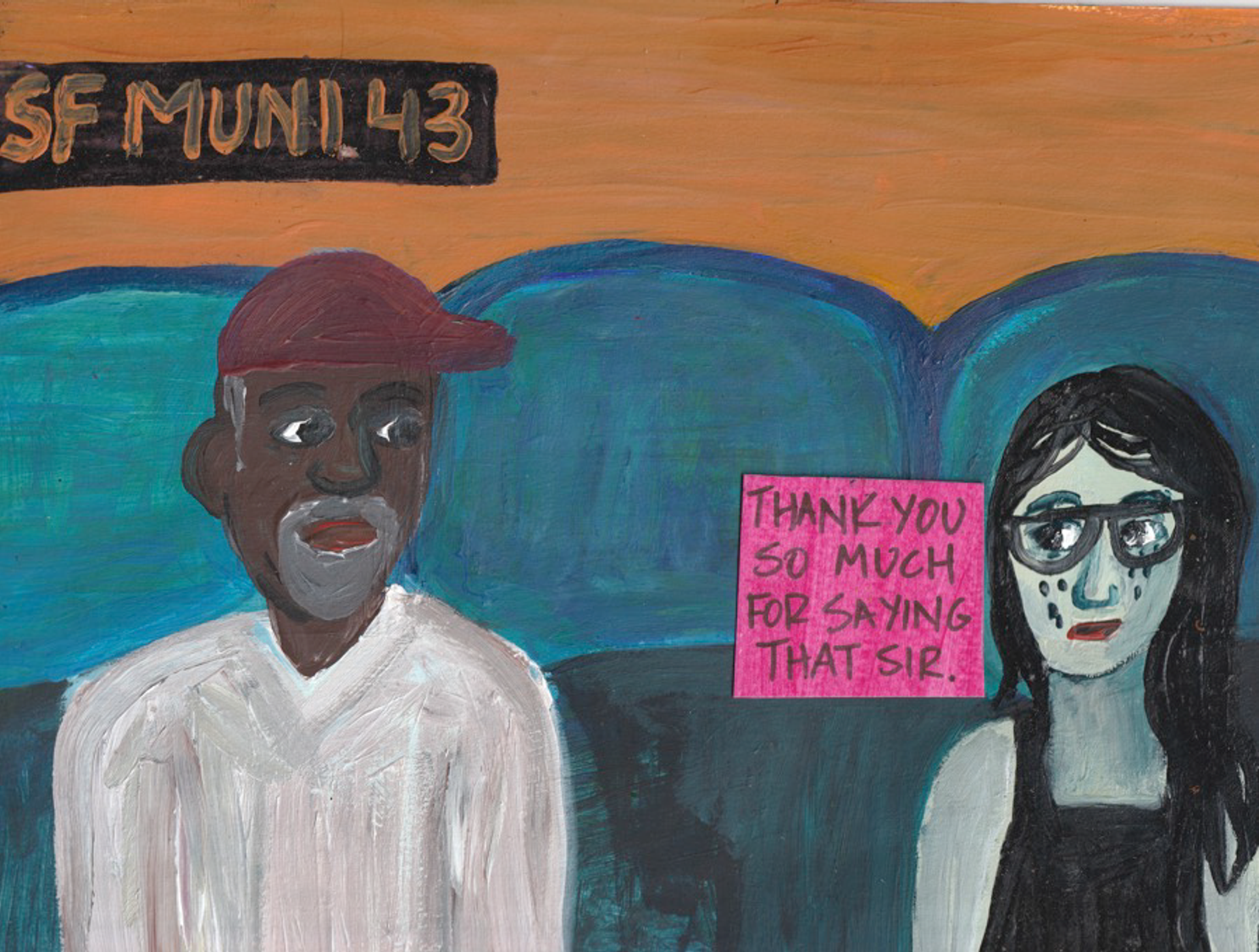
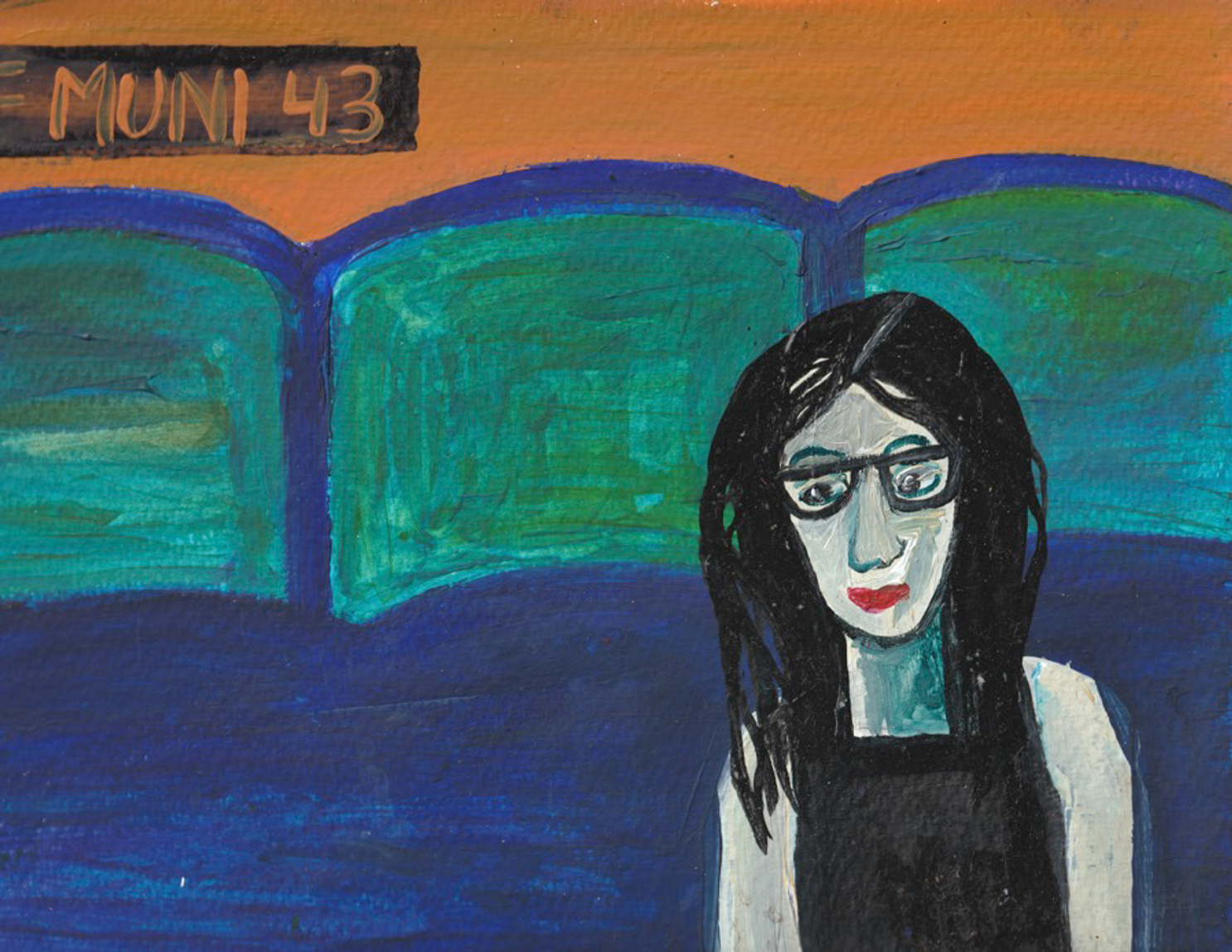
As for Kowsar and I, who knows what will become of us. Kowsar fought much harder than I and lost much more under the banner of Women, Life, Freedom while living in Iran. Under that banner many women in the Iranian diaspora experienced belonging and purpose connected to our home country for the first time. Bachehaye Amrikaee (American kids), with their trifling morals, bad dates, sitting and crying on the bus, we had something important to do now for Iran, a chance to speak out for our sisters in the streets of Iran. To amplify their voices from within empire.
Today, as I type this, blood flows in the streets of Iran. The number of casualties is unknown. The amount of misinformation due to internet blackouts and various agendas makes comprehending the situation on the ground in Iran impossible.
I often think of Freud’s visit to the USA in 1909 in which he visited Coney Island. Freud described the USA as a “gigantic mistake” and later described in a letter that it was an “anti-paradise.” Presumably he saw it as land of pleasure seekers subconsciously surrounding themselves with death. I don’t like it either—but just as Freud predicted, we have (finally?) become inverted. ICE now shoots white U.S,-born citizens to death.
In 2026, an unverified, widely circulated letter surfaces on social media from Aisha Gaddafi, Hana’s living sister. The letter is for the people of Iran, for Kowsar, Leila, and even me. Allegedly Aisha advises “negotiations with the wolf will never save the land.” As I read more about Aisha (as I looked at pictures of Hana with Mandela), sadly, I become disillusioned with Aisha as I do myself. Is Aisha somehow complicit in the continuation of the Iranian Regime? Am I? Aisha and I both know that Leila had a brother too, Reza Pahlavi. Empire could choose to reinsert him. This thought disgusts us both. Was this letter actually even written by Aisha? Either way, neither of us is on the streets of Tehran screaming and dying. Who living in the comfort of diaspora should advise people fighting in the street with commentary or letters? Has diaspora become empire?
I quickly return in my mind to collective liberation. I try to forget my homeland by painting and writing about things I can’t fully understand. I am doing well.